
How much does land clearing cost in eastern Idaho?
Across the industry, land clearing runs about $500 to $6,000 per acre. Grass and light sagebrush sit at the bottom of that range. Heavy brush pushes toward the top, and ground with mature trees costs more once tree work enters the picture. Around Rexburg and the rest of the Snake River Valley, what your lot grows is most of what your lot costs.
Typical per-acre prices in 2026
Price follows two things: how much has to come off the ground, and how hard the ground makes the work. Here are the ranges most contractors charge, sorted by growth.
| Growth on the lot | Typical market range, per acre |
|---|---|
| Grass and light sagebrush | $500–$2,000 |
| Medium brush and scattered saplings | $1,500–$4,000 |
| Heavy brush and thick young growth | $3,000–$6,000 |
| Mature trees on the lot | $4,000–$8,000+ once tree work and cleanup stack on |
Those are market numbers, not a quote. Two lots that both read one acre on paper can be completely different jobs once you stand on them. The real number comes from walking the ground, which is what a free land clearing estimate is for.
What drives the price up or down
Five factors set most of a clearing bill: growth density, trees, terrain, access, and debris. Acreage matters too, but not the way people expect. Small jobs cost more per acre because getting a machine on site costs the same whether it works two hours or eight.
- Growth density. An open, grassy acre is quick work. The same acre buried in thick brush and saplings takes several times longer, and the price follows the hours.
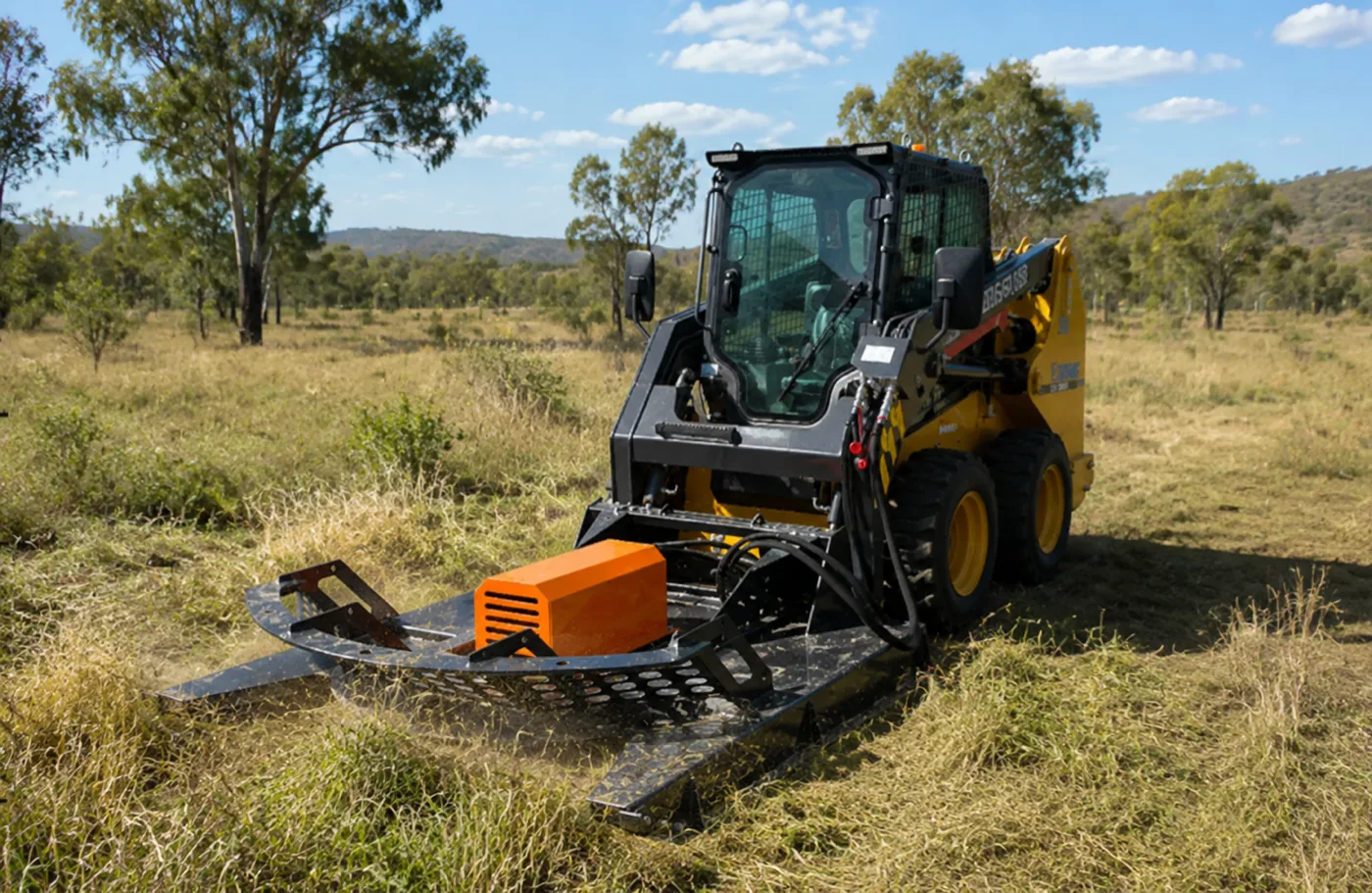
- Brush versus trees. A skid steer handles brush, saplings, and small growth all day. Mature trees are a different trade. A tree service fells them, and the clearing work picks back up once the trees are down: grubbing roots, grinding stumps, and cleaning up what is left.
- Terrain and rock. In parts of the valley, basalt sits close to the surface, and hitting lava rock slows everything down. Slopes, ditch banks, and soft spots do the same.
- Access. A lot right off a county road is easy to reach. Ground behind a narrow gate, across a canal, or a long way from a place to park a trailer takes more time to work.
- Debris. Leaving brush piled on site costs the least. Burning needs a permit and the right season. Hauling it away means dump fees and trailer trips, and on a thick lot those trips add up.
Why Snake River Valley ground varies so much
The valley holds three very different kinds of ground, and each one clears at a different price. Knowing which one you are standing on tells you a lot about your quote before anyone shows up.
The sage flats and dry benches are the cheap end. Sagebrush, rabbitbrush, and grass come off fast, and the dry ground carries equipment well most of the year. A lot of the ground between Rexburg, Ucon, and Menan works this way.
River bottom is the expensive end. Along the Henry’s Fork, the Teton River, and the South Fork, lots grow cottonwoods, willow thickets, and Russian olive, and the ground holds water longer into the season. Russian olive in particular grows back mean if the roots stay, so it pays to grub it out rather than mow it off.
The foothills sit in between. Juniper and heavy brush on rocky, sloped ground east of the valley clear slower than sage but faster than river bottom, and access is usually the bigger question up there.
What a small residential lot costs to clear
Most outfits carry a minimum, so small jobs price by the visit more than by the acre. Across the industry, a quarter-acre to half-acre cleanup usually lands somewhere between $500 and $2,500 total, depending on how thick it is and where the debris goes. An overgrown yard, a fence line swallowed by growth, or a ditch bank full of volunteer trees is really a brush removal job, and it prices lighter than full clearing.
Haul it off or leave it
What happens to the debris is one of the biggest swings in the bill. Piling or windrowing brush on site is cheapest, and on farm ground a burn pile is common practice once the fire district allows it. On a residential lot there is usually nowhere to leave a pile, so the brush and stumps ride out on a trailer. Hauling adds real cost in dump fees and trips, but you get a lot that is actually clean instead of a lot with the mess pushed to one corner.
What comes after clearing
If the goal is a shed, a shop, a driveway, or a house, clearing is step one of site prep, not the whole job. Stumps and roots have to come out of any spot that gets built on, and the lot needs grading and leveling so water drains away from where the building sits. If a build is the end goal, our guide to preparing a lot for a new build around Rexburg walks the whole sequence in order.
FAQ
How much does it cost to clear one acre in eastern Idaho? Across the industry, one acre of clearing typically runs $500 to $6,000. Grass and light sagebrush sit at the low end, heavy brush at the high end, and ground with mature trees goes past that once tree work and stump cleanup stack on. Rock, access, and debris handling move the number inside that range.
Does sagebrush cost less to clear than trees? Far less. Sage and grass come off fast with a skid steer, so open sage ground sits at the bottom of the market range. Mature trees are a separate trade: felling comes first, then grubbing, stump grinding, and cleanup. The thicker and wetter the growth, the higher the price climbs.
Can land be cleared in winter in eastern Idaho? Often, yes. Frozen ground carries a machine well and protects the surface, so brush and small growth can come off through much of the winter. Deep snow shuts it down, and dirt work like grading or grubbing waits for the spring thaw. Winter clearing puts you first in line when the ground opens up.
Do I need a permit to clear land around Rexburg? It depends on the lot. Open farm and pasture ground often has few rules, while city lots, subdivisions, and anything near a canal, ditch, or the river can carry restrictions. Burning debris usually needs a seasonal permit from the fire district. Check with your county or city office before work starts.
How long does it take to clear an acre? Light brush and sage often come off in a day. Heavy brush, saplings, and stump work can stretch to several days, and hauling debris off site adds trips. Weather and ground conditions matter too. A walk-through gives you a real timeline along with the price.
Get a real number for your lot
Every range above is a market range. Your price depends on your ground, and the only honest way to set it is to look at it. Glitter Gulch Ground Works is owner-operated and based in Rexburg, working across the Upper Valley: Sugar City, St. Anthony, Rigby, Idaho Falls, and the farm ground in between. Estimates are free and the phone is on around the clock. Call 701-421-4235 or request a free estimate, and you will get a straight answer about what your lot needs and what it should cost.